A short read before we meet you.
Scroll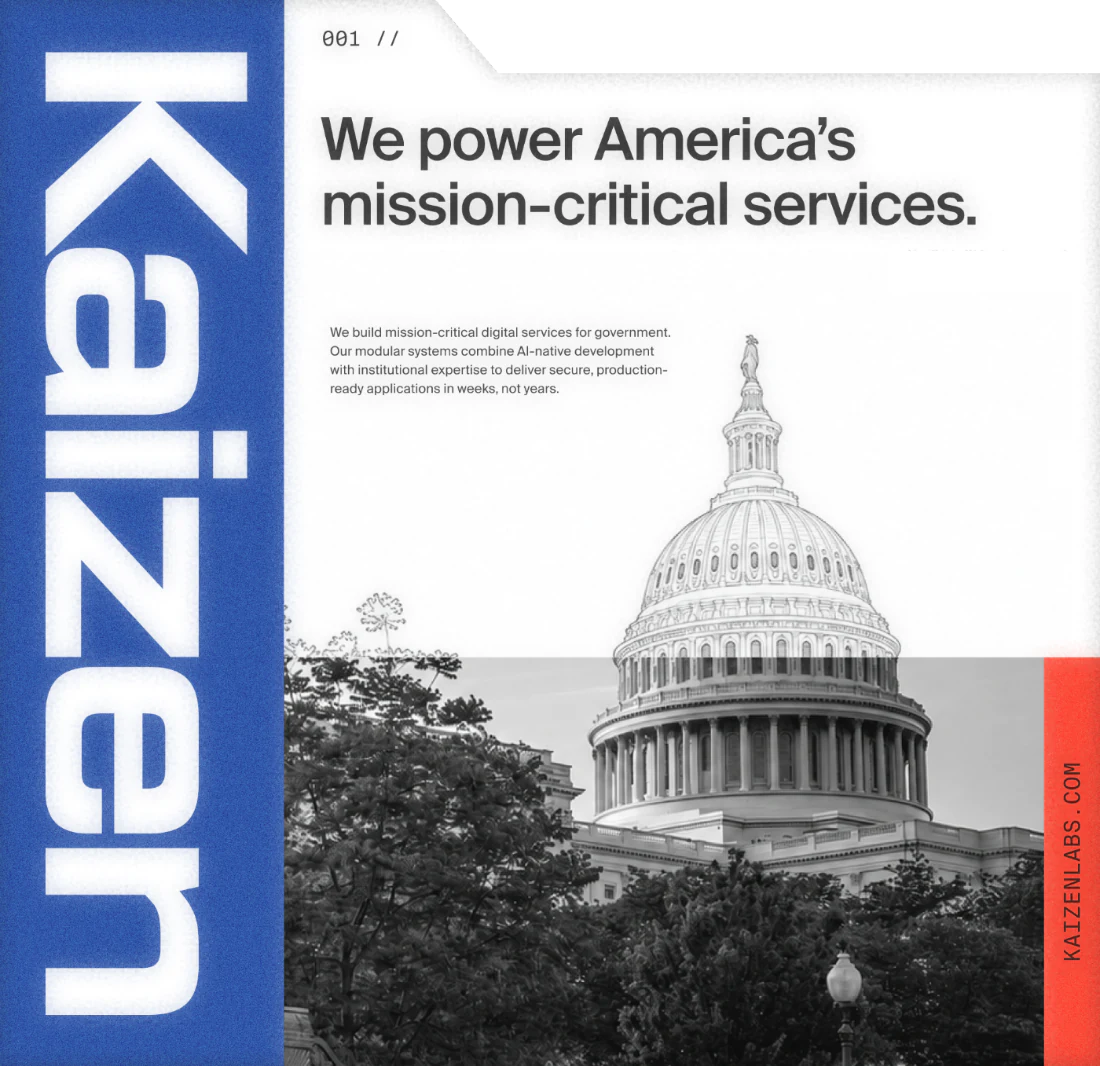
For decades, government has been sold consulting hours and legacy software. Residents, public servants, and our service members got the receipt: workarounds that became policy, portals that crash, and systems obsolete at launch.
We’re building the alternative. Government software built with craft. Shipped in weeks, not years.
Every project we take on must clear a single question: does this make life better for the people government is supposed to serve, and those who protect us? We apply this standard consistently — including when the answer requires courage to act on.
We do not use political affiliation, ideology, or voting record as a hiring filter, a collaboration test, or a reason to walk away from work. We believe, with conviction, that you can disagree sharply with someone’s worldview and still be fierce colleagues, honest partners, and people who genuinely like each other. A team that can hold that tension is stronger than one that screens it out.
We approach each other, our partners, and our clients as people acting in good faith. Trust is our default. That trust is what lets us be direct: we say the hard thing early, and we say it clearly. We would rather be understood than comfortable, because clear, honest communication is how we build relationships and avoid the slow damage of ambiguity.
We own outcomes, not just our piece of the work. That means acting on our instincts, asking hard questions, and knowing when to walk away from something we don’t believe in. It also means seeing things through together. We don’t hand things off, and when something goes wrong, we fix it as a team. That mix of individual judgment and shared accountability is what produces work worth standing behind.
We believe that beautiful, intuitive software is not a luxury. It is how government technology earns trust. Kaizen is committed to building the most thoughtfully designed platforms in the public sector. Every person on the team shares accountability for this standard: not just designers, not just engineers, but everyone. If something looks or feels wrong, it is everyone’s responsibility to say so. We will invest very heavily in testing, design review, and a new quality bar for the company.
Public servants and taxpayers deserve better.
We build for America’s most critical institutions.
 NARA
NARAModernizing reservations and ticketing for America’s Presidential Libraries. We’re displacing a legacy point solution that staff were hacking their way around.
600M pages of records
 VA
VARebuilding the front door of VA.gov for the Department of Veterans Affairs, one of America’s largest web presences.
 DoW
DoWThe C-UAS Marketplace, a two-way storefront for buying counter-drone systems to protect lives and critical infrastructure. This consolidates 30 siloed marketplaces.
$15M contract
 DoE (Education)
Building our own LLM (details are sensitive).
 Maryland DNR
Powering day-use reservations for our most beautiful institutions. Our platform eliminates miles of car backups and gives precious time back to staff and visitors.
We started selling to the federal government eight months ago.

A requirements document goes in. A working application comes out.
The shared capabilities underneath both. Each one is published with its boundaries, examples and runtime requirements, so an agent can discover what already exists and reuse it instead of writing it again. Security and accessibility controls are also encoded here.
The agent-ready starting point: a proven application skeleton on a hardened runtime, with worked examples that prove the capabilities work together before an agent builds anything new.
Turns the document a customer actually sent, whether a specification, an RFP, an email thread or a scanned PDF, into a working, verified application. Agents interpret the ask, structure the requirements, assemble the product and test the result. People resolve genuine ambiguity and approve the outcome.
Come work on America’s most important problem.
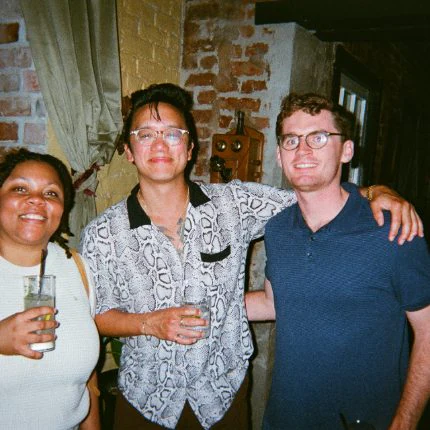
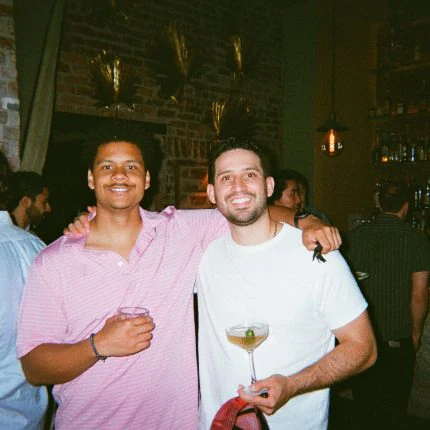
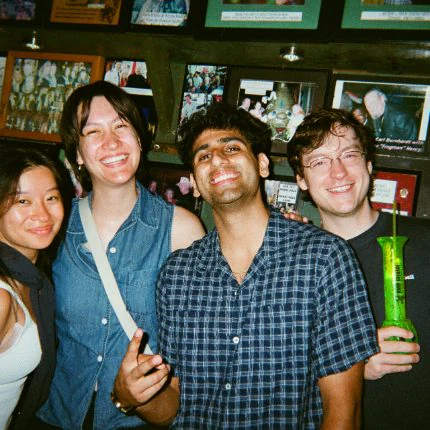
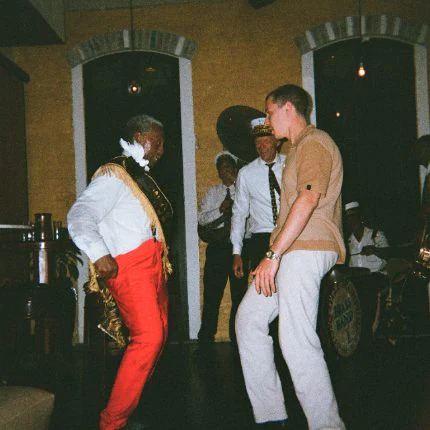
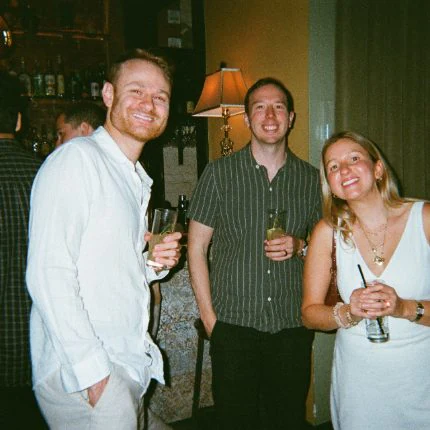
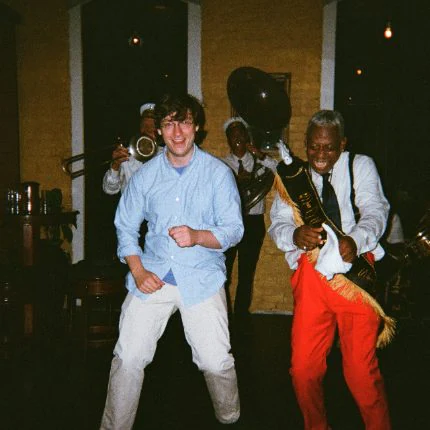
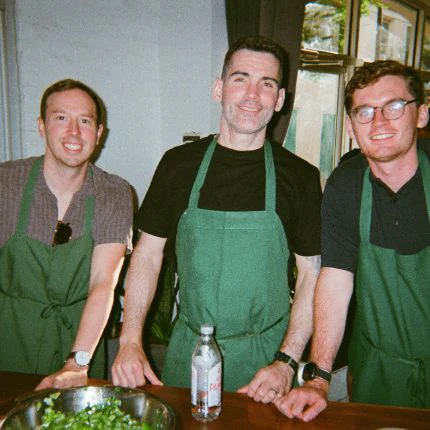
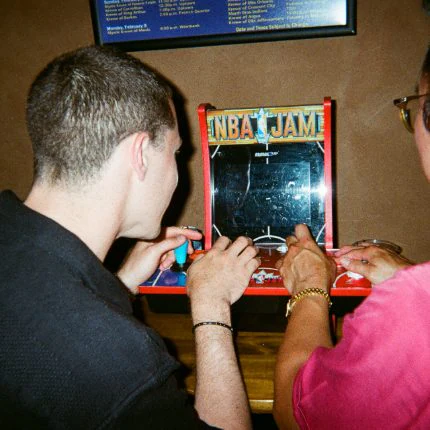
We are ~40 people, most of us in New York City with a growing presence in DC. We’re doubling over the next few quarters.